Storm damage roof repair in North Alabama: a 48-hour guide
What you do in the first 48 hours after a storm decides whether insurance pays for your roof or fights you for months. Here's the order Yarco walks every storm-damage client through.

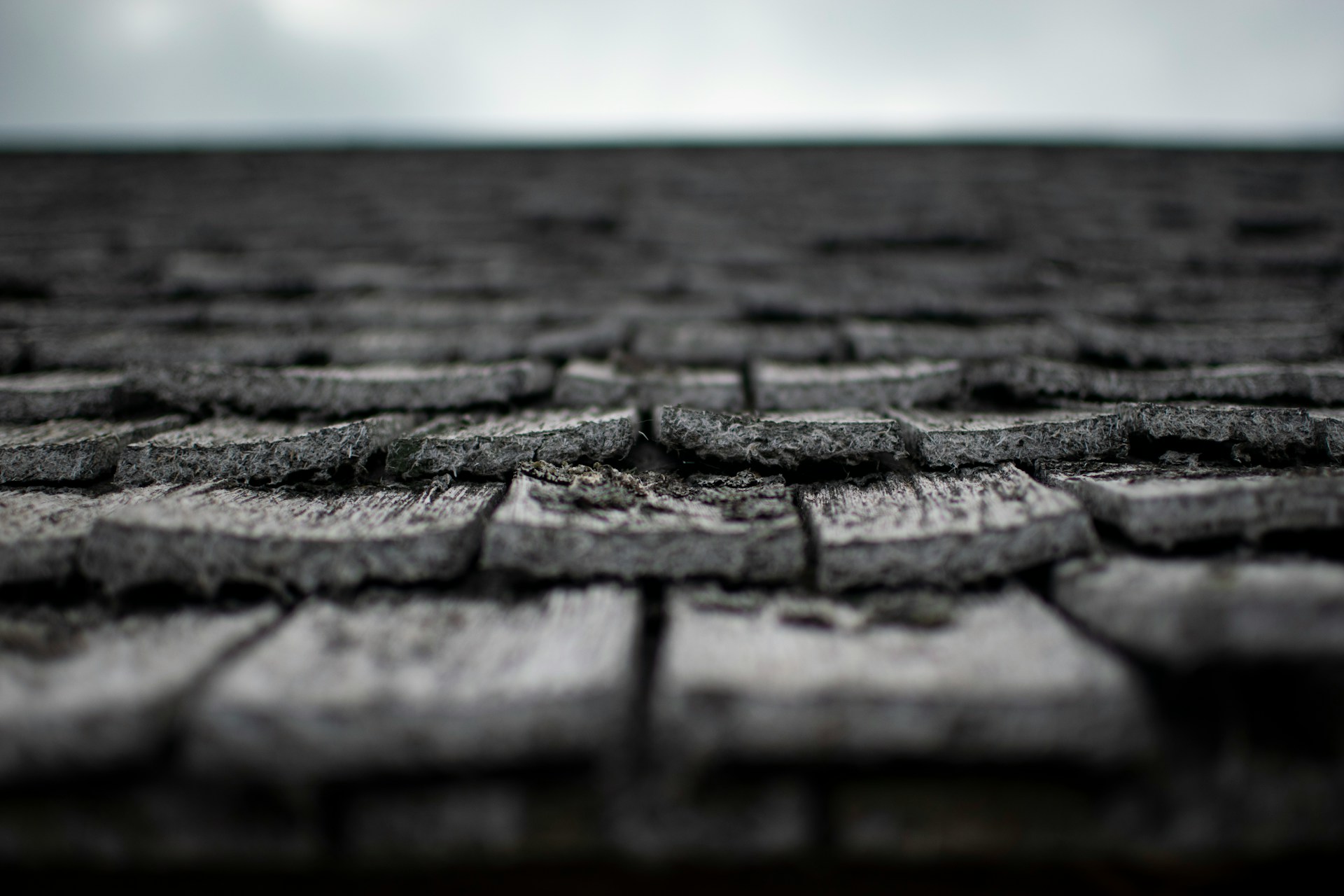
Look, if you're reading this, something probably just happened to your roof. Maybe a tree branch came through. Maybe a hailstorm rolled through Decatur last night and you walked out this morning to a yard full of shingles. Maybe you've got a wet spot on the ceiling that wasn't there yesterday. Whatever it is, take a breath — and let me walk you through what to do, in the order I'd do it if it were my own house.
I'm Quinton, and my crew at Yarco has been doing storm damage roof repair across North Alabama since 2021. I've seen just about every kind of mess the Tennessee Valley can throw at a roof — hail the size of a half-dollar in Cullman, straight-line winds that peeled half a subdivision in Harvest, tornadoes, tree limbs, you name it. The folks who come out of it best are the ones who do the first 48 hours right. That's what this is about.
First thing: make sure the house is safe
Before you do anything else — and I mean anything — make sure nobody's about to get hurt. If there's a tree on the structure, gas you can smell, or live wires laying in the yard, get everybody out and call 911. Roof can wait. People can't. I've had homeowners want to climb up there with a tarp at midnight in the rain. Don't be that fella. Insurance pays for water damage. It doesn't pay to fix you falling off a ladder.
Once the house is safe, two more things, in this order:
Stop the water if you can do it safely from the ground. Tarp the roof or — more often — put buckets and towels down inside to catch the drip. Most homeowner policies have language in there that says you're supposed to take "reasonable steps" to prevent further damage. Skip that step and your carrier can knock dollars off the payout. If you can't tarp it safely yourself, call us — that's what we're here for. (256) 227-6998.
Photograph everything before you touch a thing. And I mean everything. Wide shots of the whole house. Close-ups of damage. The yard with debris and hail in the grass. Dented gutters. Bent vent caps. Wet spots on the ceiling. Take three times as many pictures as you think you need. I've never met an adjuster who complained about too many photos. I've met plenty who denied claims because there weren't enough.
Now — who do you call first?
This is the part where I'm gonna tell you to do the opposite of what most folks do. Call a local roofer before you call your insurance company. I know that sounds backwards. Here's why I say it:
The minute you open a claim, the clock starts. Your carrier is gonna send out an adjuster. The adjuster works for the insurance company, not for you, and they're the one who decides what gets covered and what doesn't. If you've never been on a roof in your life, you don't know what to ask them to look at. You don't know what they might miss.
If a local roofer (free inspection, ours don't cost a thing) gets up there first, you walk into that adjuster meeting with photographs, a scope of damage, and a written second opinion. Now when the adjuster says "just a couple of shingles, sir," you can say "well actually, the gentleman from Yarco found 47 hail impacts on the south slope and you might want to take another look."
I've watched that conversation play out a hundred times. It changes the outcome.
Then call your carrier. File the claim within your policy window — most Alabama policies give you a year from the storm, but the sooner the better. Fresh damage tells a cleaner story than damage that's weathered six months. Have your photos ready, the storm date, what kind of damage you're seeing (wind, hail, tree, all of the above), and any evidence you collected. If you saved a couple of hailstones in the freezer, that's gold — I'm not kidding. Adjusters take hail size seriously.
What storm damage actually looks like up there
Most folks call me after they've seen something — shingles in the yard, a soft spot on the ceiling, dented gutters. But the damage you can see from the ground is usually the tip of it. Here's what we actually find up there, sorted by what hit you:
Wind damage. Lifted shingle tabs, missing pieces, exposed nails along the ridges, torn-up ridge caps, peeled-back flashing around chimneys and vents. Wind usually hits one side of the roof harder than the others — the side that was facing the storm. And here's something most homeowners don't know: a roof installed with a 4-nail pattern (which a lot of older subdivision homes have) lifts off at way lower wind speeds than a properly-installed 6-nail roof. If your house was built in the early 2000s and hasn't been re-roofed, this is probably you.
Hail damage. Round impact craters in the shingles. Granules knocked off where the hail hit. Soft, bruised spots that feel like pressing a marshmallow. And — this is the giveaway — dented soft metals. If your aluminum vents, gutters, gutter screens, or the fins on your AC unit have round dents, your shingles almost certainly took hits too. Hail comes from one direction in a storm so the damage usually clusters on one or two slopes. We wrote a whole post on telling hail damage from regular old wear and tear if you want to dig into that.
Tornado or severe wind. Missing roof sections, broken decking underneath, debris stuck in places debris shouldn't be. Usually pretty obvious from the ground if it's this kind of damage.
Tree or limb damage. Punctures, broken decking, gutter destruction, sometimes a snapped rafter underneath that doesn't show from outside. Even a glancing hit from a branch can crack the plywood under the shingles. We'll find it.
Here's the honest truth: a roof can look perfectly fine from your driveway and still have 200+ hail impacts on a slope you can't see. I had a lady in Madison call me after a hailstorm because her neighbor told her to. She kept saying "my roof looks fine, I'm just being thorough." We got up there and found over 200 craters on the south side. Insurance paid for a full replacement. Don't let the view from the ground talk you out of an inspection.
Repair or replace? The honest answer
I'll level with you: there's no shortage of roofing companies — especially the out-of-state storm chasers who blow into town after a hailstorm — who'll tell you that every damaged roof needs to be fully replaced. That's not true, and it doesn't do you any favors. Here's how I actually decide on storm damage roof repair vs. replacement:
- Younger roof, localized damage (say, under 10 years old, one or two slopes affected, decking still solid) — usually a repair. We blend matching shingles in, fix the flashing, re-secure the ridges, and document the work.
- Older roof, damage spread across multiple slopes — usually a replacement. Insurance carriers generally won't approve a partial reshingle on an old roof anyway, because the new shingles aren't gonna match the old ones and the carrier knows the surrounding shingles are compromised too.
- Any roof where we find decking damage — replacement. Period. I won't put new shingles over busted plywood. That's just a leak waiting to happen, and it'll be my name on the warranty when it does.
There's also an Alabama code thing worth knowing. If your roof has been redone once already (two layers up there), code says we can't put a third on top — gotta tear it all off and start clean. We've had that detail flip a repair quote into a full replacement on a few jobs. Not our rule, just the rule.
What it looks like when y'all hire Yarco for storm work
A few things I do different from the storm-chasers:
- Free inspection before you even talk to insurance. I'll climb up, photograph everything, and tell you honestly what I see. If there's no real damage, I'll tell you that too — I'd rather lose an hour finding nothing than waste your time arguing a claim that's never gonna pay.
- I meet your adjuster on the roof. Most homeowners aren't equipped to push back on an adjuster's scope. I am. Having a local roofer up there during the inspection genuinely changes what gets approved. I've seen it more times than I can count.
- We're local, licensed, and we ain't going anywhere. Alabama Roofer License #31575. Five-year labor warranty on every replacement and every repair. We're based right here in Decatur on Poovey Road — if something needs a second look two years from now, you can drive over and find me. The storm chasers will be in Florida by then.
Questions I get every week
"My roof looks fine from the ground. Do I really need an inspection?" Yes. Especially after hail. I cannot tell you how many roofs I've climbed onto thinking I was gonna find a clean one and instead found a damage report a page long. Free inspection, no obligation, no pressure. The worst that happens is I tell you everything's good.
"Will insurance pay for the whole roof or just the damaged part?" Depends on the carrier, the policy, and how widespread the damage is. On a widespread hail claim on an older roof, most carriers approve a full replacement because matching shingles don't exist anymore for an 10+ year-old roof. A roofer who knows how to document this for the adjuster matters here.
"The adjuster denied my claim. Is that the end of it?" Not at all. You can request a re-inspection, you can have us walk the adjuster through what they missed, and if it's a dispute over scope or cost (not coverage), most policies let you invoke the appraisal clause to bring in a neutral third party. I've helped folks turn denials into approved claims more than once.
"How long after a storm can I file a claim?" Most Alabama homeowner policies give you up to a year from the date of the storm. Don't wait. Fresh damage documents better than damage that's been baking in the sun for six months.
"Does my insurance pick the contractor?" Nope. You pick. The insurance carrier pays the approved scope no matter who does the work. If a sales rep tells you you "have" to use them because they "wrote the estimate," that's a storm-chaser trick. You hire who you want.
"What's the deductible on hail and wind claims in Alabama?" Most North Alabama policies carry a separate wind/hail deductible — usually 1% to 2% of the home's insured value. So if your house is insured for $300,000, your wind/hail deductible could be $3,000 to $6,000. Check the declarations page on your policy.
If a storm just rolled through your part of the Tennessee Valley and you want a real set of eyes on your roof, give me a call. I cover Decatur, Hartselle, Madison, Huntsville, Cullman, Athens, Harvest, Moulton, and everywhere in between. (256) 227-6998, or schedule a free inspection online. I'll be honest with you about what I find — that's the whole reason I started Yarco.